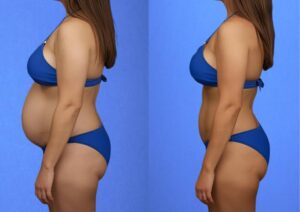
A Tummy Tuck, medically known as abdominoplasty, can improve abdominal contour by removing excess skin and fat and, when appropriate, tightening weakened abdominal tissues. Like any surgical procedure, however, it involves potential risks that patients should understand before making a decision. Complications are not inevitable, and many people recover successfully when surgery is performed by a qualified plastic surgeon and postoperative instructions are followed carefully. A thorough consultation provides an opportunity to discuss individual health factors, expected outcomes, surgical techniques, and the specific risks that may apply to each patient.
What Are the Common Risks of Tummy Tuck?
One of the more common effects after a Tummy Tuck is temporary swelling, bruising, soreness, tightness, or numbness around the treated area. These symptoms generally improve as healing progresses, although some changes in sensation can take considerably longer to resolve. Patients will also have a surgical scar, whose appearance varies according to healing and individual skin characteristics. Although surgeons carefully position incisions to make scars as discreet as practical, they do not disappear completely. Discussing scar placement and expected healing during consultation can help establish realistic expectations.
Infection and Bleeding
As with other major operations, infection and bleeding are possible complications following a Tummy Tuck. Infection may cause increasing redness, warmth, drainage, fever, or worsening discomfort and requires prompt medical assessment. Bleeding beneath the skin can sometimes result in a collection of blood called a hematoma, which may require additional treatment. Following wound-care instructions and attending scheduled follow-up appointments can help identify concerns early. Patients should promptly contact their surgical team if they notice unusual symptoms rather than attempting to diagnose or manage a potential complication independently.
Fluid Collection and Healing Problems
A fluid collection known as a seroma can develop after abdominal surgery, particularly when extensive tissue has been repositioned. Some seromas resolve naturally, while others may require drainage or additional monitoring. Delayed wound healing can also occur, especially in people with factors that interfere with circulation or tissue repair. Smoking and nicotine exposure can increase healing concerns, which is why surgeons commonly recommend stopping nicotine before and after surgery. Existing medical conditions, previous abdominal procedures, and individual anatomy can also influence healing, making personalized preoperative evaluation especially important.
Blood Clots and Anesthesia Risks
More serious complications can include blood clots, particularly deep vein thrombosis, which can potentially travel to the lungs and cause a pulmonary embolism. Although uncommon, these conditions require urgent medical attention. Surgical patients may also experience complications related to anesthesia, depending on their health and the type of anesthesia used. Surgeons and anesthesia professionals assess risk factors before an operation and may recommend measures such as early movement or compression devices to reduce clot risk. Patients should provide complete information about medications, medical conditions, previous anesthesia experiences, and allergies during their preoperative assessment.
How Can Risks Be Reduced?
Choosing an appropriately qualified plastic surgeon and following personalized instructions can help reduce avoidable risks associated with a Tummy Tuck. Patients should maintain a stable weight, disclose their complete medical history, follow medication instructions, avoid nicotine when advised, and arrange appropriate postoperative support. It is equally important to understand that individual risk cannot be eliminated entirely. A consultation allows the surgeon to assess abdominal tissues, discuss whether muscle repair is appropriate, explain incision options, and review expected recovery. Patients in Bluffton, SC, can seek individualized surgical planning designed around their anatomy and cosmetic goals.
Making an Informed Decision
Understanding potential complications does not necessarily mean that abdominoplasty is unsafe; rather, informed patients are better prepared to weigh benefits and risks. A Tummy Tuck may help create a firmer, flatter abdominal appearance for carefully selected candidates, but suitability depends on individual circumstances. Sculpt Cosmetic Surgery in Bluffton, SC, focuses on customized treatment planning and natural-looking contour improvements. Anyone considering surgery should discuss concerns openly with a qualified provider and obtain personalized medical advice. For more information about available cosmetic procedures, visit sculpt-cosmeticsurgery.com and arrange a consultation to explore your options.